ADVERSE PUBLICITY
You cannot win an argument with the media. They will always have the last say. But solid hard facts will kill media speculation.
You can alienate journalists or influence them in your favour.
When things go wrong always handle a crisis promptly. It’s like a leak in a boat – the sooner the hole can be patched the better.
The five best tips when dealing with the media if things go wrong and journalists are at the door
* Develop a good relationship with reporters and journalists
Be honest and cooperative and aim to establish a sound working relationship with journalists.
Give them leads for stories from time to time to keep them happy.
* Avoid speculation
Do not deny an event unless you are absolutely sure of your facts.
If you don’t know the answer to a question say you don’t know but you will find out. Call them back as soon as you have the information.
* Admit mistakes
Say what went wrong and what actions you will take to remedy it. Your honesty will often disarm angry critics.
*Be prepared for adverse publicity
Most journalists will ask some questions you would rather avoid. Prepare for these questions in case they are asked.
If you are prepared for the worst case scenario you will be able to handle the situation more effectively.
* Listen carefully to questions
Answer all questions briefly and accurately.
Don’t make statements you cannot substantiate.
Don’t make any hasty or ill-considered comments or any off-the-record remarks, especially when you think the interview is finished. That is the danger time!
-Geoffrey Moss
“Hard facts will kill media speculation.”
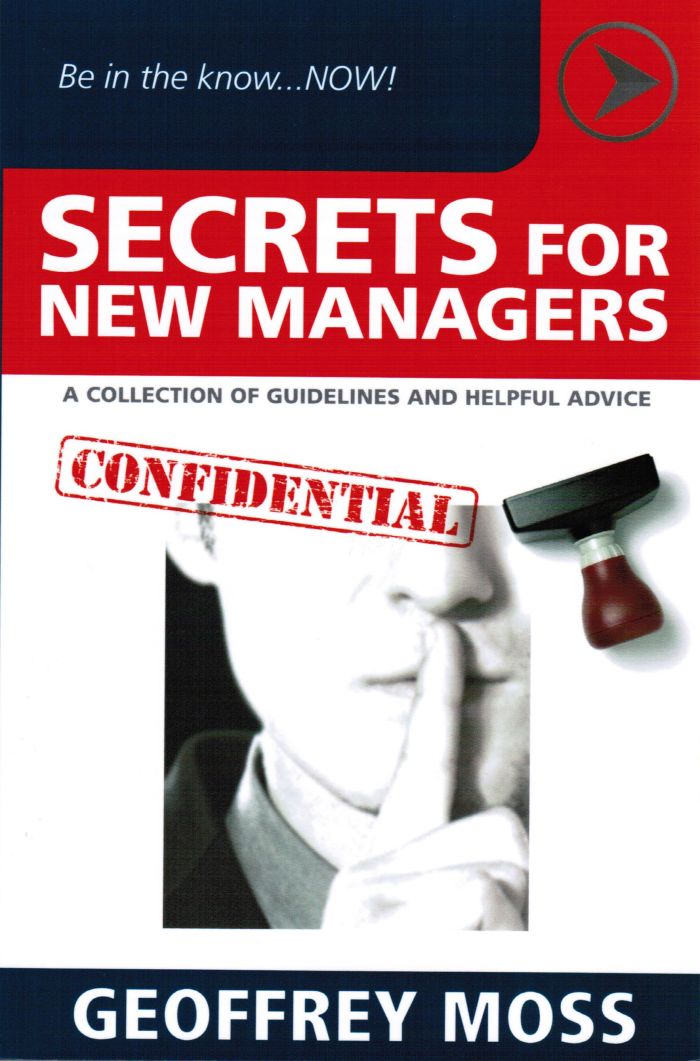
Source: “Secrets for New Managers” published by Moss Associates Ltd, New Zealand and by Cengage Learning Asia, Singapore. Also available as an e-book from Cengage Learning Asia, Amazon.com. and the VitalSource Bookshelf
 Another Handful of Tips
Pingback: Rolling On – The Best Handful of Tips- HELPDEX (1-75 titles) | Another Handful of Tips
Pingback: HELPDEX | Another Handful of Tips