Managing a CRISIS
I once asked an editor of a large newspaper in Colorado, “What makes a good story.” He replied, “A disaster“.
Today with modern technology, news spreads at a rapid pace. Disasters make good stories, and every journalist wants a scoop which could threaten the business of a country or an organisation.
Countries and organisations must be prepared for a sudden disaster, accident, or emergency.
Unless an emergency is handled with speed and accuracy, the reputation of a country or an organisation could be badly damaged. We have had such a situation in New Zealand, where 50 people were shot and killed while attending midday prayers.
Five of the best tips to help prepare for an unexpected crisis
* “Be prepared”
Lord Baden-Powell’s advice is still sound. It pays to be prepared for any unexpected crisis.
List all the possible disasters that could occur to lives, property, and the environment that could be associated with your business. Consider fire, recalls of products, accidents to employees, theft and accounting errors etc.
“What should we do if……..?”
* Devise procedures
Consult team leaders about all possible emergency situations.
Document procedures to follow after a sudden crisis situation. Have a Business Continuity Plan (BCP) in place; this is a proactive plan to help ensure a business’ operations can continue during an emergency or a disaster.
All employees must be informed of their responsibilities and understand what they should do in each type of emergency.
* Train staff
Carry out simulated exercises periodically. (Carry them out unexpectedly from time to time.)
* Keep directories updated
Make someone responsible for keeping crisis directories updated at all times with the latest names and contact numbers of who to contact in an emergency and what action must be taken.
* Communication is vital
Train communication teams well. They must be honest and open with the media and make full use of social media.
They must keep the staff, clients and the public fully informed as soon as possible. Keep the staff informed first; they must know whose job it is to do what in an emergency.
Appoint one media spokesperson to avoid confusing messages.
You can cease speculation by being honest and only presenting the facts of an event.
Geoffrey Moss
“After a crisis don’t look for scapegoats – look for ways to improve systems.”
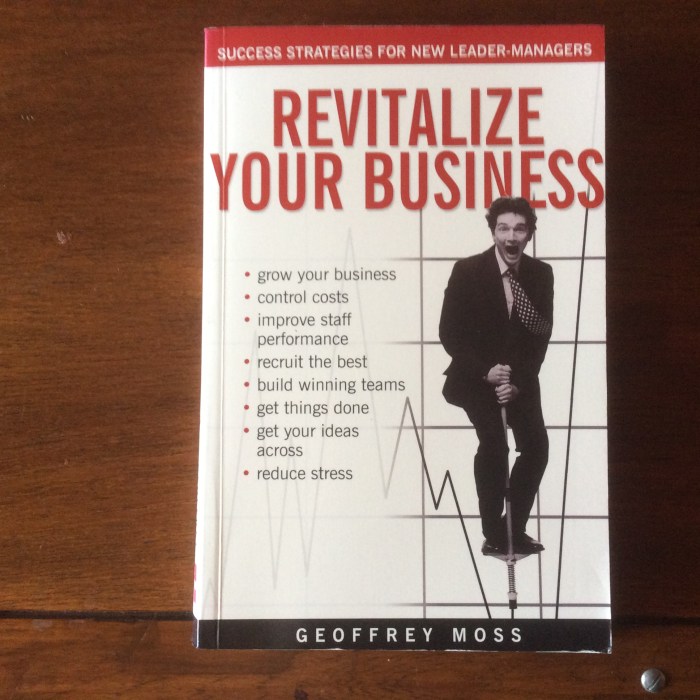
Source: “Revitalise YOUR Business” first published by Moss Associates Ltd, New Zealand, Singapore Institute of Management, Ane Books India and McGraw-Hill Australia.
 Another Handful of Tips
Pingback: HELPDEX | Another Handful of Tips