I once asked an editor of a large American newspaper what makes a good story. “A disaster“, he replied .
Fake news is a big thing in the field of journalism these days and is cheap to produce. Good journalism is time-consuming and is expensive.
A handful of tips to consider when a journalist calls
*Try to develop a good relationship
Be honest and cooperative and aim to establish a sound working relationship with journalists.
Never say “No Comment” unless you want a full investigation carried out.
To win their friendship give them leads for good stories from time to time.
*Avoid speculation
Don’t deny an event unless you are absolutely sure of your facts. Hard facts will stop speculation.
If you don’t know the answer to a question find out and call them back as soon as you have the information.
*Be honest
Admit mistakes. Say what went wrong and what actions you will take to remedy it. Your honesty will disarm critics.
You can kill criticism and stop rumours with a timely, factual story.
*Be prepared for adverse publicity
When you come out of a controversial meeting, be prepared to answer tricky questions. Being unprepared is a sure way to a bad press story.
If you are prepared for the worst-case scenario you will be able to answer questions skillfully.
*Listen carefully to questions
Let reports use their recorders – it will help them get your story right.
Try to answer all the questions briefly and accurately.
Don’t make statements you cannot substantiate.
Take care not to make any hasty or ill-considered comments, or any off-the-record remarks, especially when you think the interview is finished. Your casual remark could end up tomorrow’s headlines.
You can rarely win an argument with a journalist – they will always have the last say.
-Geoffrey Moss (mossassociates.co.nz)
“Hard facts will help kill media speculation and reduce fake news.”
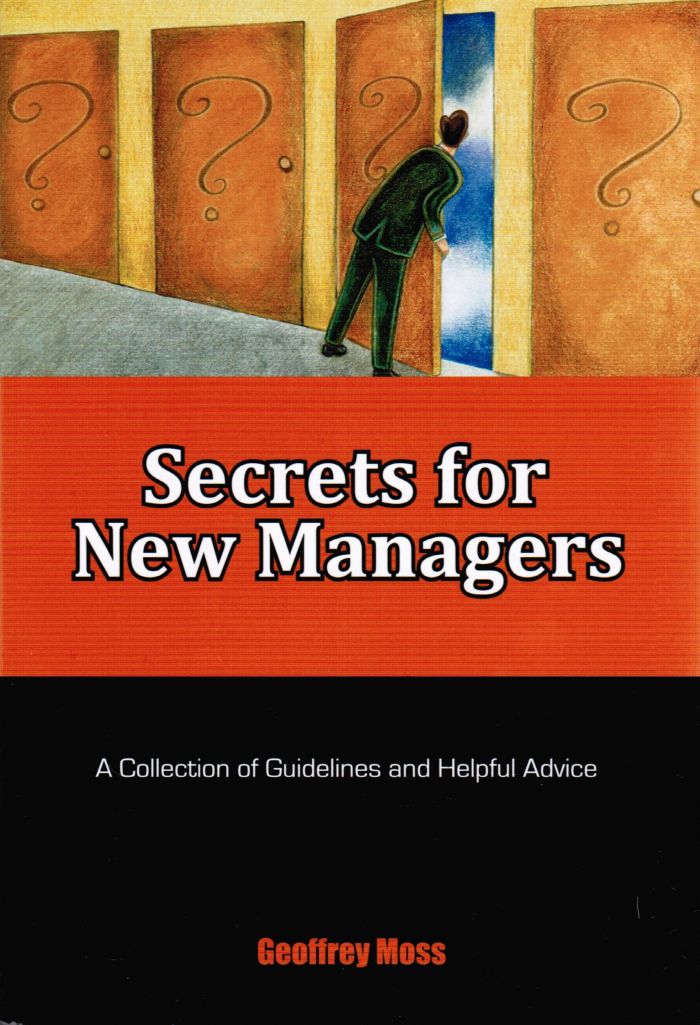
Source: “Secrets for New Managers” published by Moss Associates Ltd, New Zealand and by Cengage Learning Asia, Singapore. Available as an e-book from Cengage Learning Asia, Amazon.com. and the VitalSource Bookshelf.
Also, see our book “Persuasive Ways” published in numerous countries in several languages.
 Another Handful of Tips