INTERPRETER –
When working internationally
Having given papers, and run many training programmes in many countries using an interpreter, I am now in a position to make some recommendations.
The English language can be considered the link language between most other languages.
Today there are less international meetings, but many more Zoom type meetings – many needing an interpreter.
Translating is a difficult task so when you have to speak through an interpreter be considerate – try to make the task as easy as possible.
A handful of tips to improve an international presentation
* Before your presentation
Spend time with your interpreter to establish a rapport so they can become familiar with your voice tone.
If you plan to use anecdotes or tell jokes check them out to see if they are suitable for a foreign audience. Humour varies between countries.
If you are speaking from a script give a copy to your interpreter well before you are due to start.
* Speak slowly and clearly
Preferably use simple words with only one meaning.
Speak in short sentences and short clusters of words.
Make a pause between at the end of a thought or topic.
* Avoid slang and jargon
Make the time to explain technical words.
Each country have their own terms so take care to remove your own slang terms.
* When answering question
Make the time to pause to think and try to speak slowly using simple words.
* Allow extra time
Allow at least double the time taken for a normal talk.
If you have a interpreter that keeps giving his own version of your talk allow even more time.
Geoffrey Moss (mossassociates.co.nz)
“Choose your words carefully – to express, not to impress.”
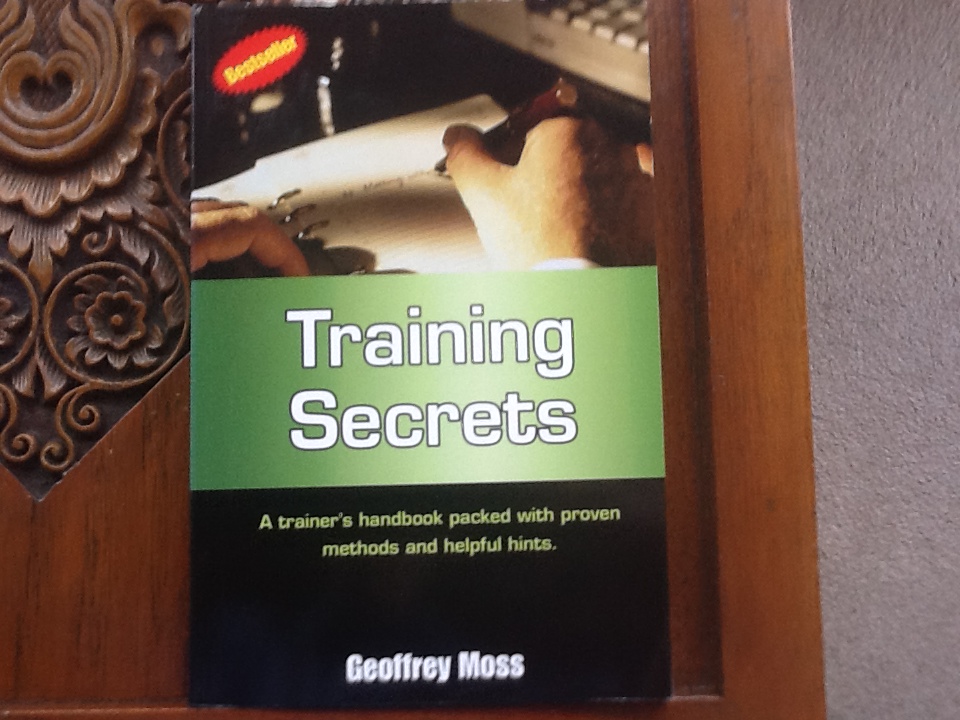
SOURCE: “Training Secrets. Helping adults learn” 190p., Moss Associates. Ltd, New Zealand and Cengage Learning Asia, Singapore. Also available as an e-book from Amazon.com. Learn 49 ways to train and how to assess and improve your own training skills.
For those in need download our FREE book “NO JOB? WHAT NOW?” available from our website.
 Another Handful of Tips