MEDIA SUPPORT –
Work for mutual benefit
Sooner or later you will need the support of the media to get your ideas and messages to your target audiences. To get this you need to understand the role of the media and the needs of reporters.
Both the print and the broadcast media are in the business of making money and meeting deadlines.
If you want publicity for your cause or your business you will need to take the initiative.
It’s your job to make the contact with reporters if you have a message to get across.
Make sure your message is news, not propaganda or free advertising. Topical stories are usually welcomed.
A Handful of tips to help you get your messages out to the public
* Foster good relationships
Get to know the reporters in your area. Make an effort to create a good working relationship. Be honest with them and work to build up a mutual trust.
Good media relations takes time and effort but they pay dividends.
Give reporters lead stories.
Prepare your material well for them. Give them good briefings and supply accurate information.
Often misreporting occurs because people do not take the time to explain what they really mean – they take things for granted.
If you are misquoted contact the reporter first and try to discuss the problem in a friendly manner. If you storm into the editors office to complain you will lose the reporter’s respect and friendship.
* Helping reporters
Give as much advanced notice as possible of coming events. Following up with reminder calls.
Supply on-line copy if possible, making your messages as clear as possible. Enclose background material.
Put your name and contact details on the top of the first page.
* Be cooperative
If reporters want a story try to help them – you may need their help one day.
Try to give accurate , factual information.
If you do not have the information suggest where it might be found, or get it for them.
If you say you will call back at a certain time make sure you do . Remembers reporters have strict deadlines to meet.
* Coverage of events
Make an effort to send advanced detailed information as soon as possible to the editor.
Keep following up with newsworthy, human interest stories as they develop. The names and achievements of distinguished guest speaker can make interesting reading and publicise your event.
On the day of your event make life easy for reporters. Arrange for them to have a table, a light and be near the speaker.
Supply them with a copy of the programme and any speakers papers available.
* Hints from experienced journalists
“Hard facts usually stops speculation. You can kill criticism and stop speculation with a timely, honest factual story.”
Never say “No comment!” unless you want a full investigation.
When you come out of a controversial meeting be prepared to answer tricky questions. Being unprepared is a sure way to a bad press.
Don’t be upset if a reported uses a recorder – it helps them get your story right.
“Truth and news are not necessary the same thing.”
Geoffrey Moss(mossassociates.co.nz)
“For most people, no news is good news; for the press, good news is not news.”
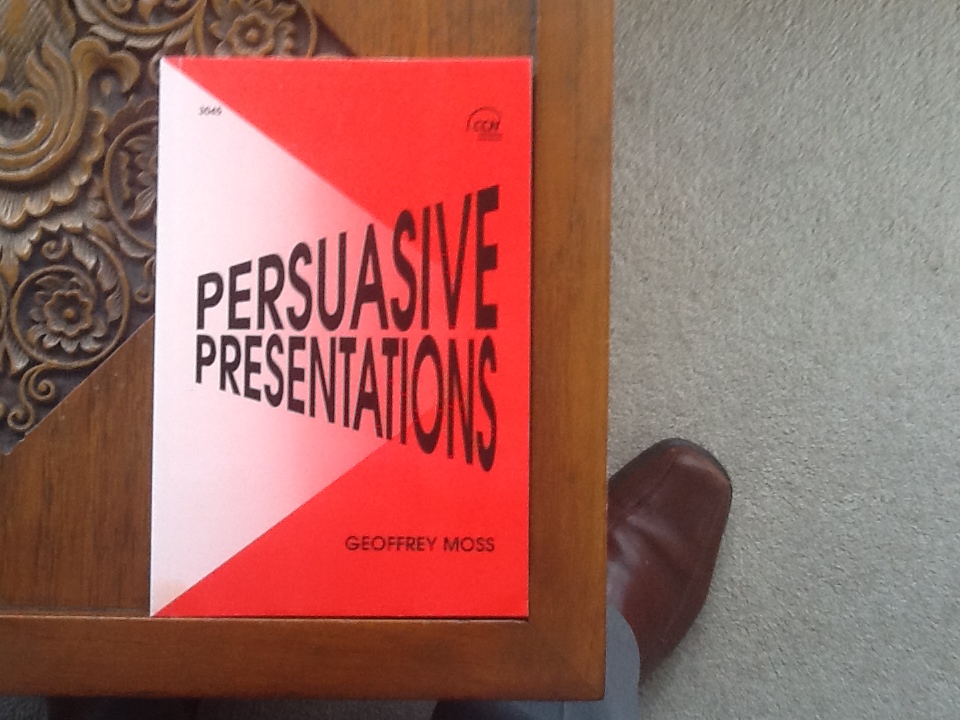
Source: For amplification of this topic see “Persuasive Ways. ‘Tricks of the trade’ to get your ideas across”. First published by Moss Associates Ltd., New Zealand and in Chinese by the Shanghai People’s Publishing House, the Singapore Institute of Management, Kogan Page Ltd, U.K and in Hungarian by Bagolyvar Konyvkiado. Also published as the “Secrets of Persuasion” by Cengage Learning Asia, CCH Australia and as an e-book and by Amazon.com.
For those in need see our FREE book “NO JOB! – WHAT NOW?” available from our website mossassociates.co.nz.
 Another Handful of Tips