Better MEETINGS –
The success of a meeting can only be judged by its results.
As a leader, your reputation will largely depend on how well you run a meeting.
If you have good communication systems in place you will need a few meetings.
Before you set up a meeting answer these questions.
“What type of meeting should we hold?” “What do I hope to achieve?”
“Who can and will contribute?”
“When is the best time and where is the best place to hold it?”
Before you plan a meeting remind yourself; ‘What business are we in and what are we trying to achieve?’
The meeting can be a time-waster.
A handful of tips to improve your next meeting
* Prepare well
What you would like to achieve?
Prepare an agenda.
All items on the agenda should be specific;
‘For a decision ;
‘For your information
For action by….. ‘
The sequence of items is critical.
Allow the meeting to warm up before you introduce important items.
Save good news items until the end, so the meeting finishes on a ‘high note’.
Keep the number of participants small.
The fewer people attending the easier it is to reach a consensus. Only invite essential people who can make a worthwhile contribution.
Make the most of the talent and the experience present.
* Timing is crucial
Meeting are expensive when you consider salaries, travel costs, and the loss of work time.
International and online meetings are best ‘for your information type meetings.
Time zones and local events can cause problems. These can make ‘call-for-action type meetings’ difficult.
Always start your meetings on time. If you have to wait for people you always will.
To get people to attend early put on tea/coffee or a treat before you are due to start.
Keep the meeting focused on the agenda items at all times. Don’t get sidetracked!
Once you have completed all the items on the agenda or the allocated time is reached, close the meeting.
Never go over your allocated time regardless of the items left on the agenda.
Keep meetings short. Do not run long meetings. Work expands to fill the time available. Let people get back to work as soon as possible.
There is an old saying: “A meeting is an event at which the minutes are kept and the hours are lost”.
* Add interest
Variety and humour make meetings more enjoyable.
Surprise your meetings with special events, such as a guest speaker, from time to time.
Invite staff to make special presentations.
If appropriate, run a brainstorming session seeking new ideas to solve a problem.
People must leave a meeting feeling they have made a contribution, and it was time well spent. People want to feel needed.
Praise and give credit for good ideas.
*Minutes can save you hours
Minutes are the record of the business of a meeting. They don’t have to be detailed but they are critical to getting things done.
If decisions are made they must be perfectly clear, who does what, and by when?
Agreed tasks must be recorded in the minutes and follow-up notes sent to the people involved.
At the next meeting, they should be briefly reviewed to see if all the tasks have been completed on time.
Send out reminders to those who had tasks allocated to them prior to the meeting.
* Improve each meeting
Constant evaluations are the key to successful meetings.
Aim to make each meeting better than the last. Invite feedback and act on all good recommendations.
Continuous improvement is essential to run successful meetings and enhance your reputation.
-Geoffrey Moss(mossassociates.co.nz)
“Minutes of a meeting should discreetly clarify trouble spots and formalize conclusions.”
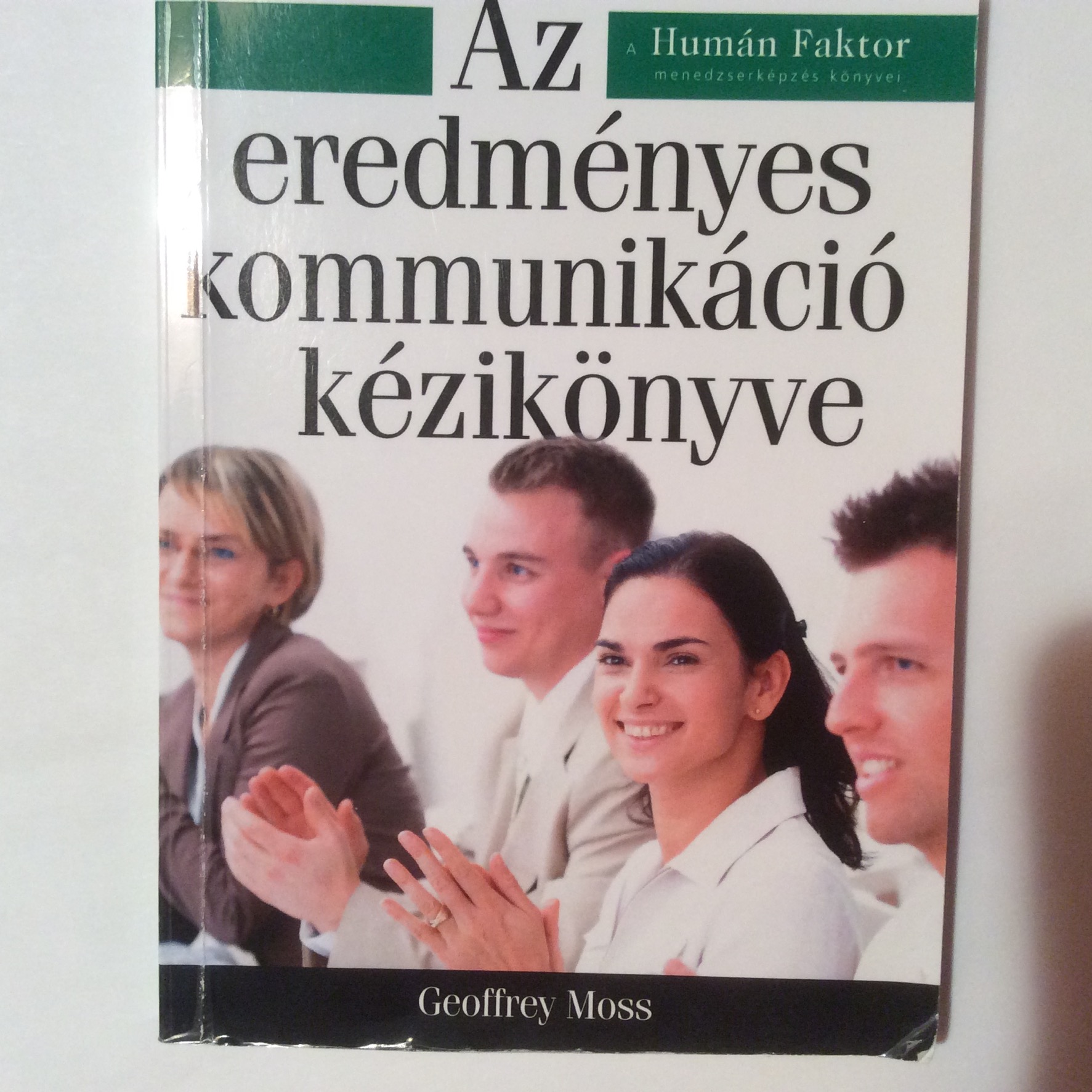
SOURCE: For more on this topic see: “Persuasive Ways” first published by Moss Associates Ltd, New Zealand and in Chinese by Shanghai People’s Publishing House, and “Secrets of Persuasion” by Cengage Learning Asia. (Available as an e-book from Amazon.com.) Also available as “Getting Your Ideas Across” from Kogan Page, U.K, and a Hungarian translation published by Bagolyvar Konyvkiado, Budapest.
For those in need download our FREE book “NO JOB? WHAT NOW?“from mossassociates.co.nz
 Another Handful of Tips