APIA, Samoa 1980
Doug Gibbs rarely missed a trick. We were waiting in Tonga for a plane to take us to Samoa. Doug did a head count and said we should board the plane as soon as possible as there were too many passengers for the number of seats on our plane. We made it but others didn’t. Doug was a colleague. We worked together helping to training Farm Advisor Officers in New Zealand.
Before we arrived in Samoa a crewmember came in to the cabin and asked for a show of hands. How many are going to American Samoa? How many are flying to Western Samoa? Ok we will land at Faleolo airport first. When you fly in the Pacific you will have all sorts of new experiences.
The previous year I had been sent to Samoa to address the annual meeting of the Directors of Agriculture for the Pacific countries.
I had offered to run a five week training programme to train trainers on ways to stimulate agriculture – similar to the one I had run in Sri Lanka.
Some of the directors thought I was criticising them. I was a New Zealander, telling them they were not training their extension workers well.
After much debate they agreed that I could come back and run a training workshop at the University of the South Pacific, Alafua campus.
The workshop was an enjoyable experience but I doubt if many of the 14 participants thought so. We worked them hard. Many were very relieved when we finished. We worked them, all day, and again in the evenings for six days a week.
We put them into competing teams and asked questions. The best answers were collected by two senior students to go into a published proceedings for reference purposes.
On the third week we sent them off to the big island, Savai’i. We asked them to write a report on ways the Samoans could increase their food production. I stayed behind to prepare training plans for the last two weeks.
On the day they were due back I decided to go and meet them. On the way to the wharf I sat next to a jovial old Matai, a local chief. He told me he was a pineapple farmer and invited me to inspect his crop. I had the time, and I was interest, so I accepted his kind offer.
We bussed to his village some 32 km from the wharf. He lived on the outskirts of a village near an old lava field.
I met the family and enjoyed their hospitality. When it was time to return to the wharf I was told there was no busses until the next day.
I declined the offer to sleep on the floor with the family and said I would try to hitch-hike back as I had the team to meet, and I had invited the senior students to join me that evening for a hotel dinner and to report on their progress with the proceedings
After two hours waiting on the road there was no sign of a vehicle, and along came a school bus. Actually, it was a light utility where all the kids piled onto the tray on the back.
After a lengthy discussion and a heavy bribe, the driver agreed to take me to the ferry before collecting the kids. I had a very fast and bumpy ride to the ferry terminal. And just as well I did because the ferry left early as there was a bad weather forecast.
The ferry was an old wartime landing craft. There was no sign of the trainees. I learned later they had caught an earlier ferry.
On arriving at Upolu I followed the crowd in the dark and climbed on the only bus, luckily going to Apia. “No, I don’t have the correct fare. I only have a 20 tala note ” I told the driver. (20 tala was a big currency at that time.) I had given all my spare money to the driver of the ute.
The bus was full of produce heading for the market. I was lucky to get a seat. When we arrived in Apia the bus driver toured the town seeking a shop that was open to getting change so I could pay the correct fare.
I was not popular with the bus load of locals, all in a hurry to get to the best places in the market square, to sleep, and sell their produce the next day.
I was tired and weary and conscious I had a dinner meeting with the senior students. Only one turned up. The Fijian Indian student was missing.
The next day when I returned to my hotel I found a penciled note stuffed under my door. I still have that note.
This is what it said;
Sir, I apologize for not coming to have dinner with you last night. Sorry for not informing you. The reason, I had family trouble in the place where I was staying – unfortunately, it has to do with the Welfare Officer at Alafua. I narrowly escaped from his home last afternoon – where else he would have shot me. The problem is with his daughter and me involved, staying together in his house for six months. There was family trouble – now I can’t come back – the only thing is to escape the country.”
Some years later I met him in Fiji and he introduced me to his Samoan wife. He told me they escaped the country on a boat to American Samoa and from there made their way to Fiji.
Cross-cultural love can have its perils in the Pacific.
Geoffrey Moss(mossassociaates.co.nz)
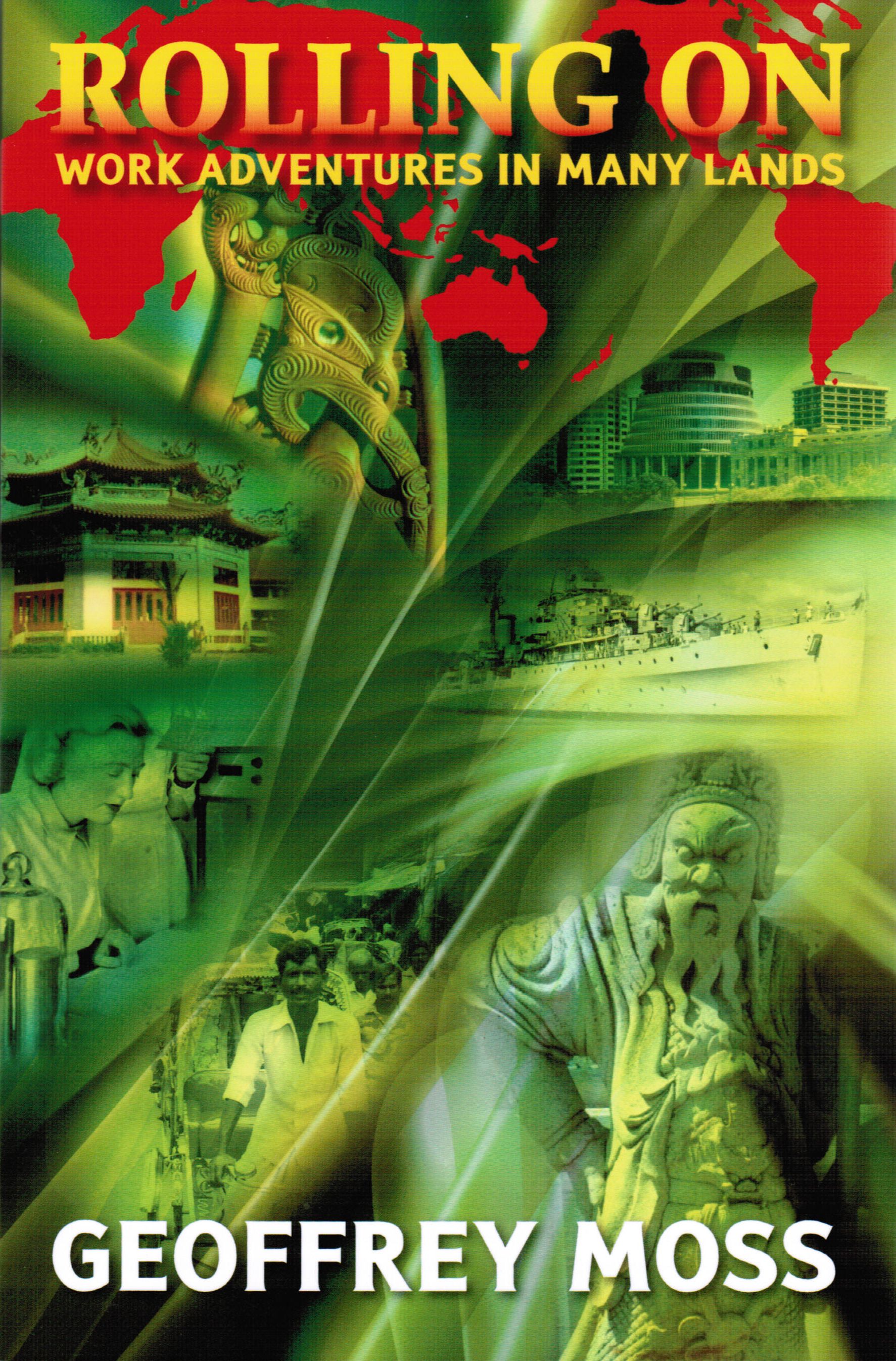
More stories available in the FREE book “Rolling On” from our website.
 Another Handful of Tips