Getting Ready for a Presentation
Many people are stressed when they are preparing to address a large audience.
If you are physically fit and mentally prepared it won’t be such a big deal.
A Handful of Tips to help you prepare for your next presentation
* The environment
Many presentations have failed because last-minute checks were not made.
It’s well worthwhile to check out the environment so you know where you have to go and how you are going to get there.
Is parking available? If you are taking public transport how busy will things be at the time you propose to travel?
Make a list of the things you need to do and take.
* What should you wear?
Dress for the occasion. You should be in comfortable clothes for the event. Try to mirror the clothes your audience will be wearing.
It’s better to be overdressed than too casually dressed.
* Food and drink
Stick to your normal diet. If you are in a foreign country take care not to eat too much fruit or different foods.
It’s unwise to drink alcohol, and coffee tends to make some people’s voices husky. People can always tell if you have been drinking alcohol.
Bottled or boiled water is the safest drink – but don’t drink too much of that.
* When should I arrive?
Arrive early well before you are due to start making your presentation. Sit near the back and watch the reaction of the chairperson and the audience. This will give you the feeling of the meeting and to hear what other people are saying.
* On the day
Well before you are due to make your presentation check out the sound system and how the microphone works. Make sure your visual aid equipment is compactable to the equipment you will be using.
If a topical theme comes up you may have to make some minor changes to your presentation.
When the time comes to make your presentation. Try chatting with your audience. Talk to a list of memory words, to keep your sequence right. Don’t read a written script in the written language. The spoken and the written language are different.
Try sharing your feelings with your audience – be modest and honest.
Get the chairperson to repeat and edit, if necessary, any question you may be asked so all can hear the question.
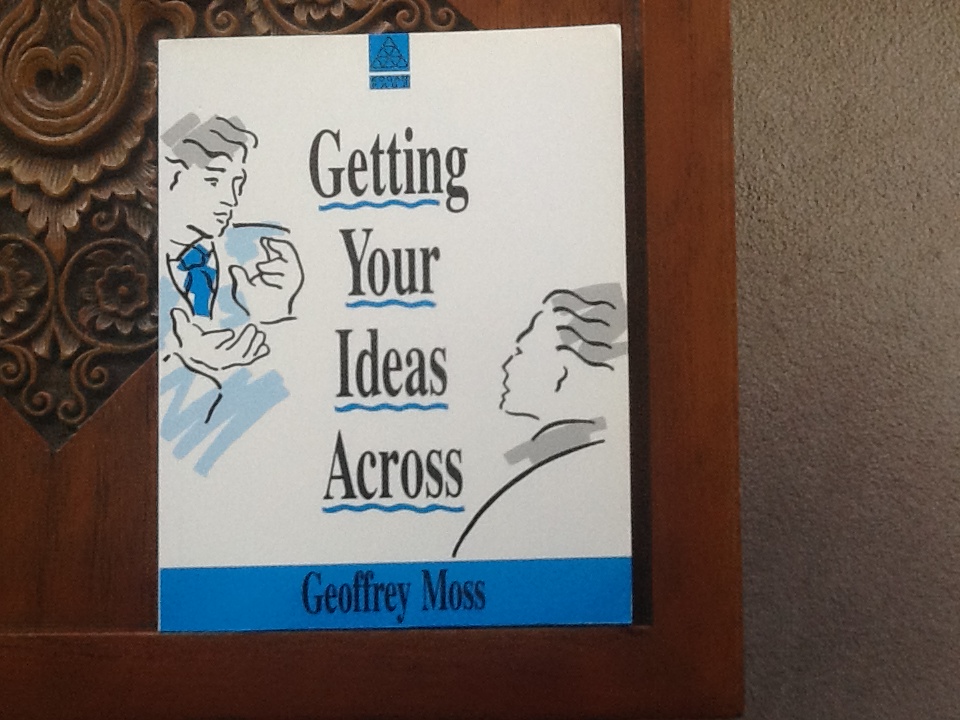
Geoffrey Moss(mossassociates.co.nz)
“Be brief, sincere, enthusiastic, and seated.”
 Another Handful of Tips