Seeking Media Publicity
You may need publicity for your cause or refute a press story’s misunderstanding.
To get the publicity you must understand the role of the media and the needs of reporters. The print and broadcast media are in the business of making profits for their shareholders and meeting deadlines.
You will have little chance of publishing your cause unless it’s newsworthy, sells papers, or stimulates online advertising.
What makes news?
I once asked an editor what makes a good news story and he said, “A disaster.”
Today’s news seems to be such things as accidents, cyclones, earthquakes, wars, fires, and stories of conflicts.
Human-interest stories, and animal and sports stories seem to be popular.
If you are seeking publicity prepare your story well before contacting a journalist. Try to make your messages topical and newsworthy.
A Handful of Tips to help you get media publicity
* Do Your Homework
Clarify your thoughts.
The more specifically you can state your purpose the more successful will be a media interview.
What is your purpose?
Who do you want to read, or hear your message?
Is it newsworthy? Is it topical?
* Assemble your facts
Provide Journalists with background information well before an interview.
The more notes, references, and clipping you can supply the more chance your story will be used.
* Foster Good Relationships
When you first meet a reporter take your time. Be friendly and polite, and allow small talk and time to relax.
Reporters have a difficult job as they struggle to meet deadlines. Do what you can to help them.
If you can befriend a reporter – one you trust. Try to give them a few leads for stories from time to time. It could be to your advantage when you need publicity.
* Getting down to business
Listen to questions carefully. Pause before you answer. Be honest and diplomatic. Don’t make statements you cannot substantiate.
* Threatening questions
Most interviewers will ask some questions you would rather avoid. Prepare for these questions.
Draft out a few of your answers to these possible questions, just in case they are asked. Do this during your planning stage.
* At the finish
When you are asked if you have any ‘final thoughts’ use this time to briefly summarise your main message.
After an interview when you are relaxing, take care not to make any informal comments, observations, or criticisms. This could make the sensational story the journalist was seeking and become tomorrow’s headline!
Geoffrey Moss(mossassociates.co.nz)
“Publicity is journalism, salesmanship, diplomacy, and showmanship.”
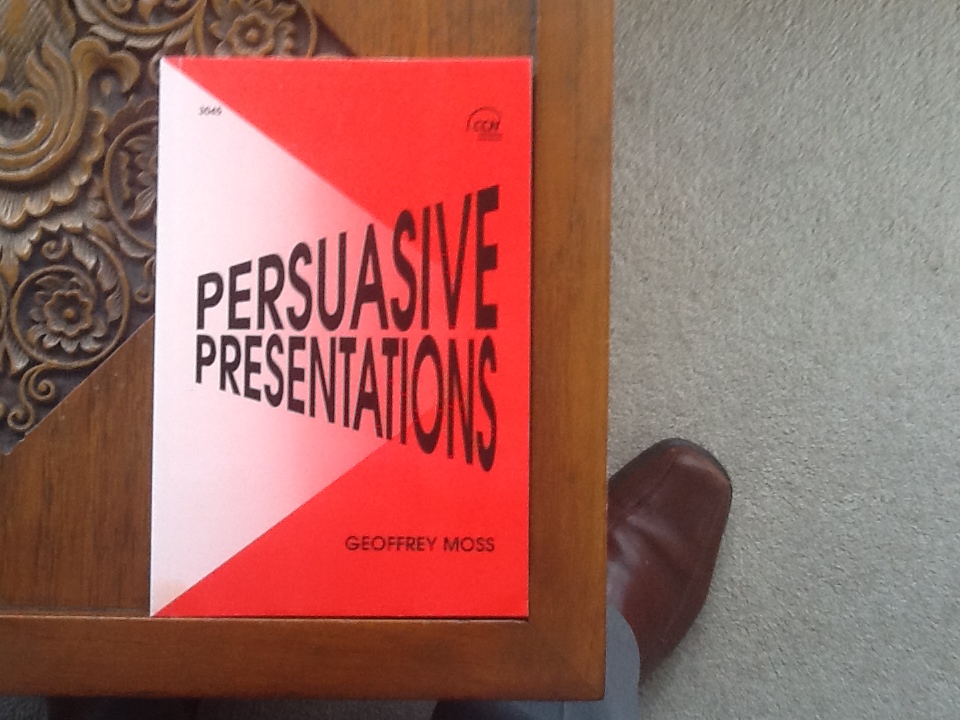
SOURCE: For more on this topic see: “Persuasive Ways” first published by Moss Associates Ltd, New Zealand, and in Chinese by Shanghai People’s Publishing House, and as “Secrets of Persuasion” by Cengage Learning Asia. (Available as an e-book from Amazon.com.) Also available as “Getting Your Ideas Across” from Kogan Page, U.K, and a Hungarian translation published by Bagolyvar Konyvkiado, Budapest.
 Another Handful of Tips