Second World War veterans are fast diminishing in numbers.
ANZAC day is the time to remember our friends and relatives who died so their family and friends could live a happy and peaceful life.
Some history you may not be aware of.
Five hundred and eighty NA2s were given basic training on ‘The Rock’.
What’s an NA2? What is ‘The Rock’?
An NA2 is a Naval Airman Second Class and The Rock was HMNZS Tamaki on Motuihe Island. Over 15,000 sailors were given their basic training on ‘The Rock’ during the Second World War.
On Tamaki we were woken up before sunrise with a loudspeaker chanting “Wakey, wakey, rise, and shine. You have had your time and I have had mine. Hit the deck, hit the deck”. We were tipped out of our hammocks if we were slow, and the hammocks were slung up high.
Our first task was to lash up and stow our hammocks into bins at the end of the hall.
First, we were given a cup of thick ‘Pussers Kai,” a sweet thick chocolate drink. Regardless of the weather, we went into vigorous exercises before cleaning up for breakfast.
Learning to sleep in a hammock, climb up a rope, and row a cutter against a tidal flow were all memorable skills taught – it was all drill and discipline.
No shore leave was granted for one month. It was not easy, but we were very fit at the end of the month.
During the Second World War 1,070 New Zealanders served in the Fleet Air Arm. New Zealand provided 20 recruits a month for pilots or observer-navigators. The first draft left New Zealand in July 1940. The last draft of F29 finished training on Tamaki in June 1945.
The age limit was between 18 and 28.
A Naval Airman 2nd Class received a weekly wage of 1 pound 19 shillings per week. Three shillings were deducted for superannuation.
Can you imagine such a small wage to train for such a dangerous job? If rating were married there was an extra allowance of 1 pound a week and 5 shillings per child.
If you opted to be temperance, not to draw your rum ration, you received an extra three pence per day.
By the end of the war, one in ten fleet Air Arm aircrew were New Zealanders. When the aircraft carriers of the British Fleet operated against Japan in 1945 New Zealanders made up a quarter of the operational aircrew.
I was in the F29 draft. After final leave we were stationed at the Naval Transit Camp, Camp Hale was situated on the lawn in front of the Auckland War Memorial. It had been a US military camp before the New Zealand Navy took it over.
After final leave, we marched through the streets of Auckland with our rifles, with fixed bayonets. Taken to a pub and permitted a small handle of beer.
The European War finished. The Navy recruited trained pilots from the RAF for the Fleet Air Arm and our training finished.
Some of our drafts became Stores Accountants, or Writers joining the cruisers The Gambia, or the Achilles. We helped to decommission both ships and later on the ratings.
It’s time to pause, take stock on ANZAC day, and remember our friends and family who died so we could live in peace.
We nearly ended up speaking Japanese – let’s not forget it.
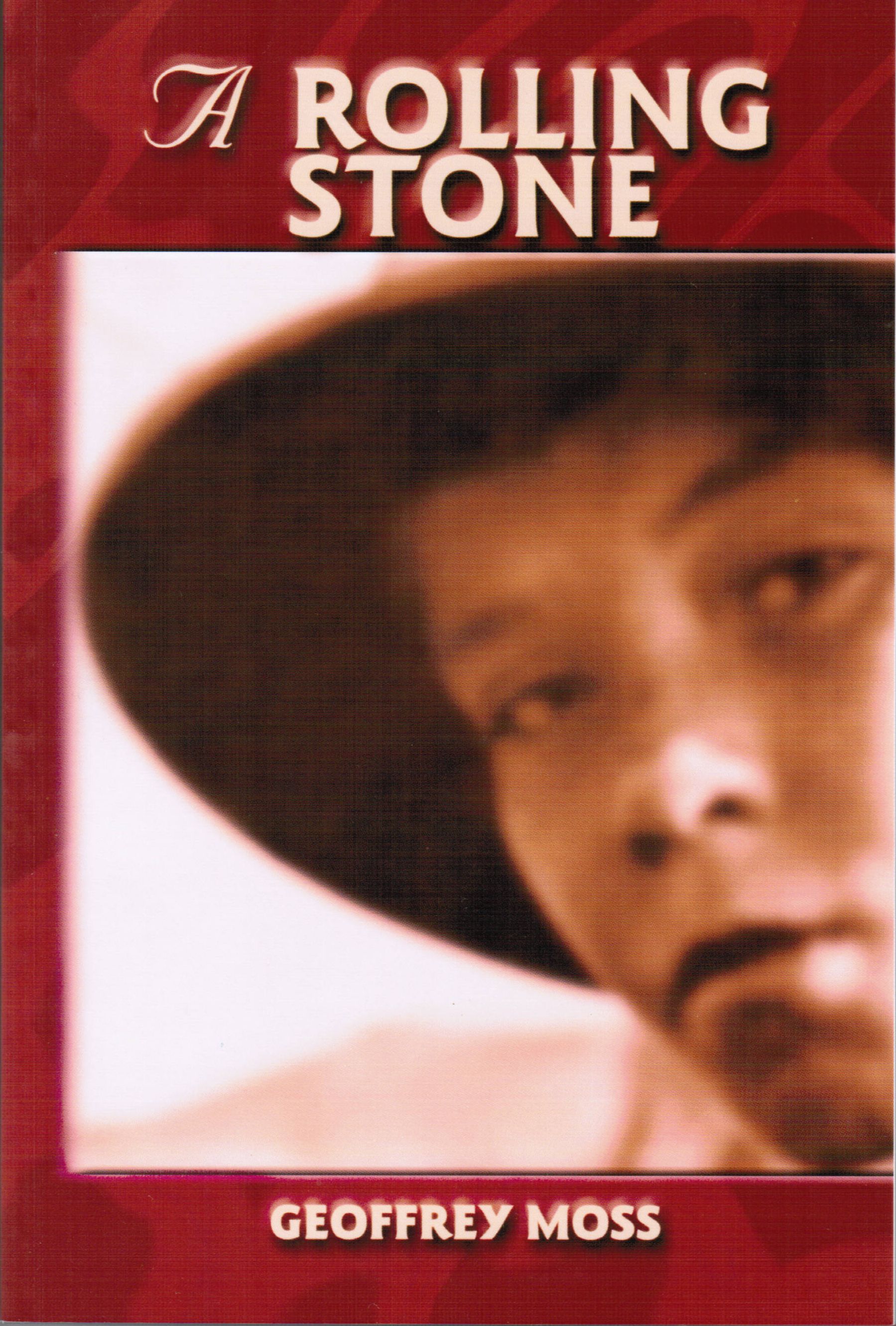
Geoffrey Moss NZN10914
“We miss you, and are so grateful for your sacrifice.”
 Another Handful of Tips
ANZAC day coming up, and numbers gathering at dawn increasing year by year. What does that say about us today?
LikeLiked by 1 person