In 1990 Samoa had been hit by a bad cyclone – Cyclone Ofa. Houses were wrecked, food was short and there was limited water and power. Many foreign people left the country and returned to their home countries.
One day a Southerly snowstorm hit Wellington and I was miserably cold. The phone rang and it was Professor Don Brewley from Massey University in Palmerston North. He asked me if I would like to go to Samoa for five months and lecture at Alafua Campus of the University of the South Pacific in Apia.
Massey would put me on their staff as a Senior Lecturer and second me to the University of the South Pacific.
My subject would be agriculture extension – ways to stimulate food production. I had already run a five-week workshop for Pacific leaders two years earlier on this topic at the same college.
I am ashamed I said ‘Yes’ without even consulting my wife. Afterwards I blamed the weather.
The next day Professor Brewley arrived with the contract to be signed. He reassured us we would be met at the airport and a fully furnished house would provided. “All you need to take is your clothes and your lecture notes.”
No one met us. Customs and immigration officials would only grant us tourist visas for four weeks. There was no accommodation as all the houses built by the New Zealand Government were full of staff from Cornell University.
It took some weeks before an empty house could be found for us to live. It was in the middle of a village, miles away from the College. It hadn’t been lived in for a year, it was filthy and very few things worked.
Food, power, and water were limited. Joyce walked miles into the market every few days to see what she could buy. It was not easy for her.
One week after arriving, I was thrown in at the deep end – nine lectures a week to 39 students. They came from a dozen countries and English was their second or third language.
Sometime later the Pro -Vice-Chancellor sent for me and said. “You used to be a manager. Most of the final-year degree students are going home to be managers. Will you teach them some management skills?”
Panic set in. This was not a topic I had ever taught. My wife and I visited libraries searching for reference books on this topic. We were not successful.
At one stage in my career, I had attended a management training course and I had given lectures at the New Zealand Staff College so I had a limited background in this topic.
My lectures were more like workshops than a traditional lecture. I requested my students to think, question, and report. I told them not to take notes as I would give them a handout at the end of each session. I only just kept ahead of them on this topic.
I was asked to recommend a good management book. I was unable to do this.
I said I would put my notes together and write them one. If they wrote to me in twelve months I promised to send them a free copy.
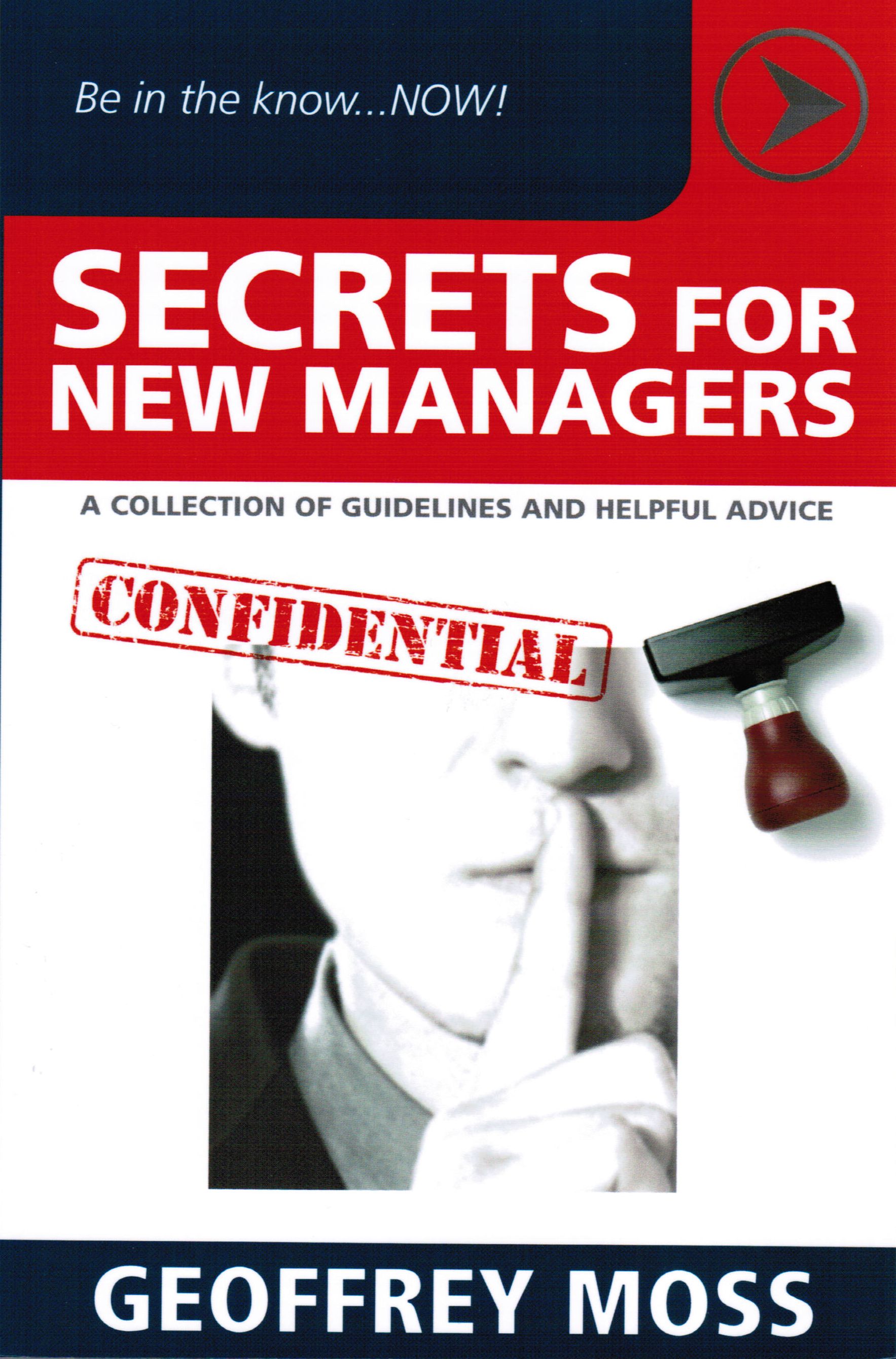
I did this and called it “Survival Skills for New Managers”.
Harry Mills a New Zealand author and publisher took this book to the Frankfurt Book Fair and the rights were sold off to an English publisher who sold off the rights once again to eight other publishers.
One of these publishers was the Singapore Institute of Management. They wrote to me asking if I would make it into a training programme for them.
I did this and I flew up to Singapore thirty-one times to run a three-day workshop based on this book. This later evolved into a second book titled “Revitalised Your Business”.
These workshops in Singapore led to others in Indonesia and in Sri Lanka. The workshops held in Colombo were held for their Chamber of Commerce and were partly paid for by U.S.Aid funds.
Cyclone Ofa certainly changed my life.
Geoffrey Moss(mossassociates.co.nz)
“Nothing ventured, nothing gained!”
 Another Handful of Tips
As long as you can tune in to The Pacific Way and not let that stress you out of your tree, it’s a wonderful way of life. Whether it can survive long term, and still provide basic needs for all, is a question…..
LikeLike