Resolving Differences – Odds & Ends 52
Most conflicts are usually the result of misunderstandings or poor communication.
Clashes in the workplace are often due to personality differences, or jealousies.
Aim to improve communication. Try to explain and discuss developments before they become a problem.
A hand full of tips to help resolve conflicts
* ANALYSE
When there is a conflict seek the real cause – analyse the situation.
What appears to be the problem may not be the real cause.
Define the conflict from both sides’ points of view – be honest and frank.
Emphasise common concerns and points of agreement.
LIST SOLUTIONS
List possible solutions. Discuss alternatives.
Be honest and straightforward. Try to be unemotional and objective.
Don’t concentrate on looking for differences. Seek common ground.
* COMPOMISE
Break complex issues up into workable components.
Be prepared to compromise and to select the best alternatives.
Be prepared to give up some things to achieve satisfactory results.
* Plan
Who will do what by when?
Plan the action and the sequence required to implement a policy to resolve the differences between parties.
* EVALUATE RESULTS
Discuss the results periodically.
Occasionally, conduct an evaluation and be prepared to make changes, if required.
A good leader doesn’t try to eliminate conflict but tries to keep it from wasting the time and energy of the team.
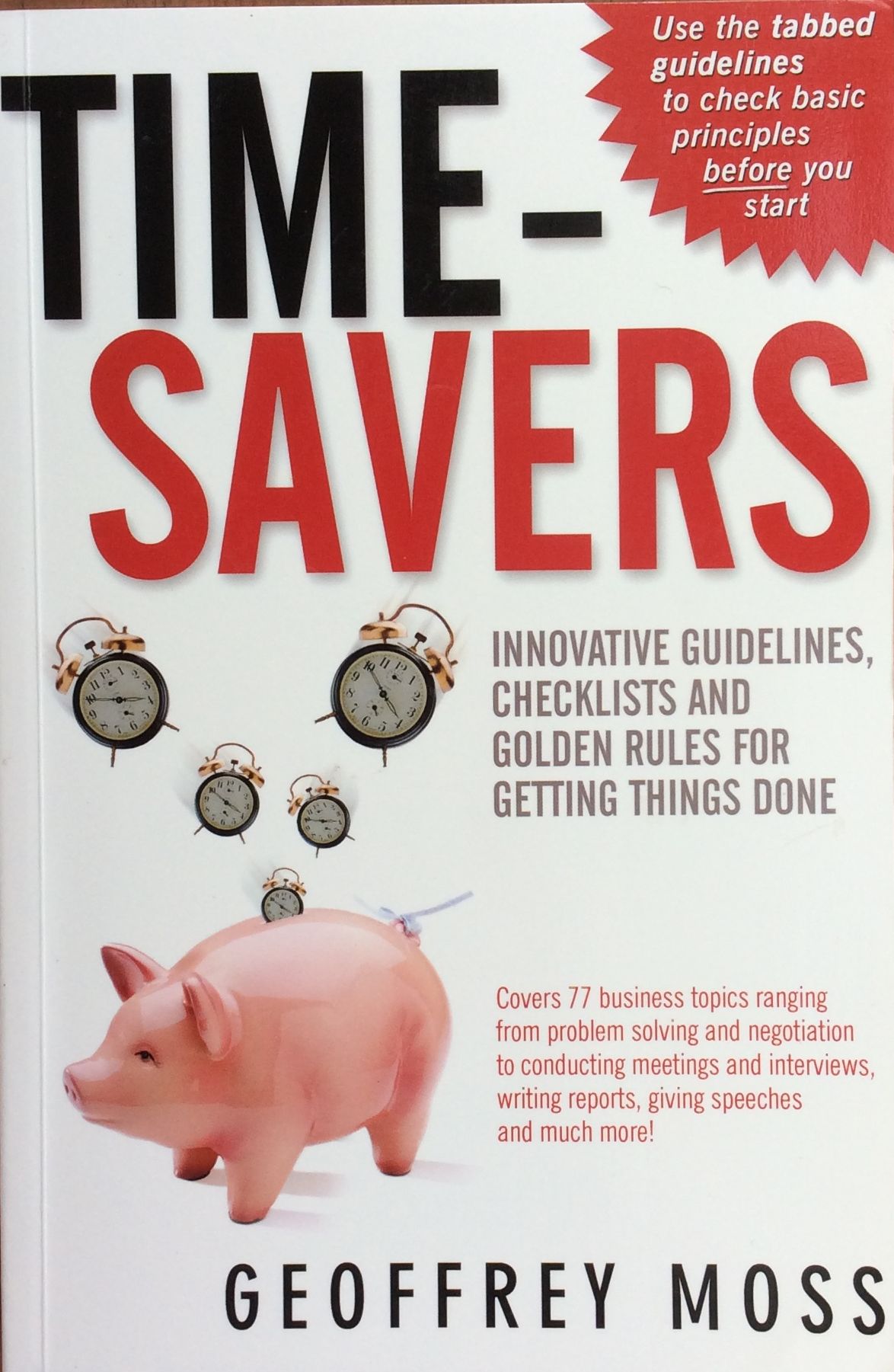
Geoffrey Moss(mossassociates.co.nz)
“Anger is one letter short of DANGER!”
 Another Handful of Tips