It’s hard for people today to visualize the hardships that backcountry farmers endured during the depression years. Many worked from daylight to dusk, seven days a week only to walk off their farms destitute.
After the initial bush burns, there was a steady decline in soil fertility followed by an influx of weeds, and soil erosion, followed by a decline in stock numbers.
Having served on the Marginal Lands Board I saw many farms that should have remained in the native forest. I will give a typical case.
My father’s best friend, Nick Winter, married my aunt Winfred. He gave up his job in the Post Office and decided to go farming.
The Winters sold their house in Wellington and purchased a 350-acre farm in Whitehall, near Cambridge – sight unseen.
The man from the State Advances had assured them it was well watered and good growing land. How right he was! Ragwort and blackberry grew well, but not grass. He assured them once they had settled on the property they would be lent money to build a home. Unfortunately, before the house loan was approved he died. There was nothing in writing and money was scarce. The loan was declined. So their first home was a primitive batch while Nick set about building a house as it turned out not once but twice.
My cousin Lois tells her story of her first impressions when she and her mother first arrived.
“Two layers of super phosphate manure bags made the walls. There was a window at the far end with a rough table and apple boxes to sit on. The door was a flapped sack and three bunks were built into one wall. They had branches down each side and manure sacks for the bottom.
A cup of tea is what we need saying Lois’s mother Win – looking for the electric jug. I will light the fire, said Nick. Outside was a fireplace with a ‘billy’ and a camp oven hanging from it.
I asked for a drink of water and was handed a mug and told it was in the kerosene tins outside. One had moths in it and the other flies. After I complained, Dad flicked out the unwanted with his hand and said, ‘All clear – pure creek water the very best.’ “
Imagine having to take your clothes down to the banks of the stream to do your washing after coming from the city.
Their first house was burnt down while they were in Cambridge shopping. So once again Nick built a temporary cottage to sleep in while he rebuilt the house. I slept in that cottage on one of my visits. The walls were made of fertilizer sacks and the bed was made from 4″x2″ boards with sacks slung like a hammock – it was surprisingly comfortable. Even with the door shut the cats could enter through the sacking walls.
There was no electricity so lighting was from kerosene lamps and candles. The outdoor toilet (or dunny) was a draughty shed built of corrugated iron around a hole in the ground, often inhabited by rats. Going to the toilet at night with a torch and seeing these eyes shining in the dark was a scary experience. Baring one’s buttocks was an act of bravery and desperation. Toilet paper was made from newspapers.
There was a notice in the dunny which read, “Don’t sit there all day – There’s work to be done.”
Cows were milked by hand. The milk was separated and the cream was taken in cans and was carted in a sled, pulled by a horse, for half a mile to the gate for collection.
Having served on the Taranaki Marginal Lands Board I saw many farms similar to Nick Winters. It was criminal to settle returned servicemen in some of the places they were sent after the first World War. It was equally disastrous for other settlers in the 40s and the 50s especially those looking for a better life in the backcountry.
On one farm we visited we discovered the remnants of a post office for the region. This was now the last farm in the valley, all the others had all closed down.
I often wondered why people left the comfort of towns and cities for a life of isolation and hardship. Most of the people I met on these farms lacked experience and resources. They learned to farm the hard way.
Most aimed for independence and the satisfaction of creating a productive farm from scrub and native forest. In many cases, it was a dream that turned into a nightmare!
Geoffrey Moss (mossassociates.co.nz)
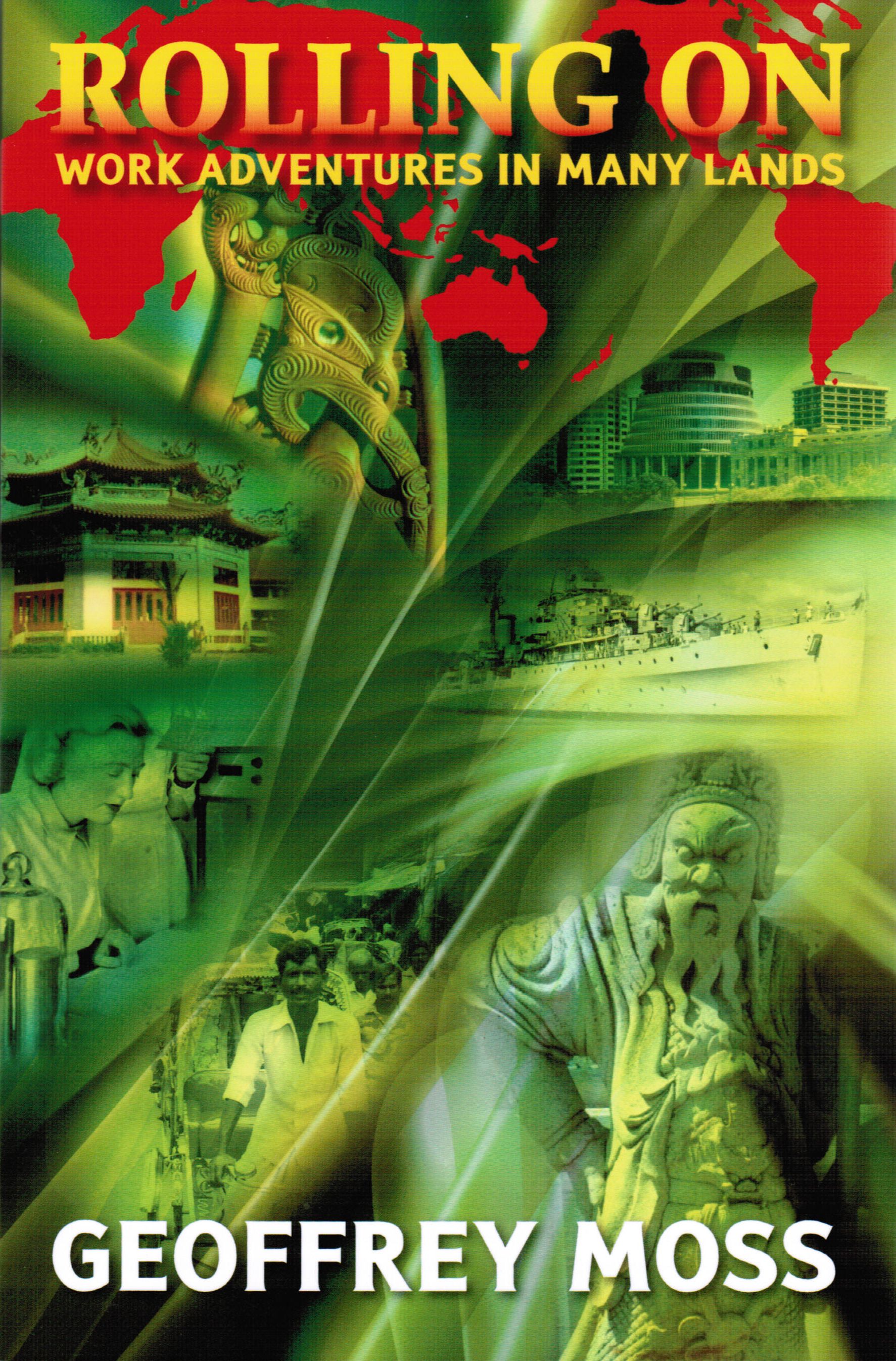
For more of these stories you will find a FREE book titled “Rolling On. Work adventures in many lands” available from my website.
 Another Handful of Tips
It is useful to be reminded how fortunate we are now to have modern equipment to take the harder work out of farming.
Pity those WW1 returned soldiers who were given impossible tasks to break in sometimes almost vertical unstable country slopes.
LikeLiked by 1 person